
Plantar Warts

Discover safe, effective ways to stop warts early

About
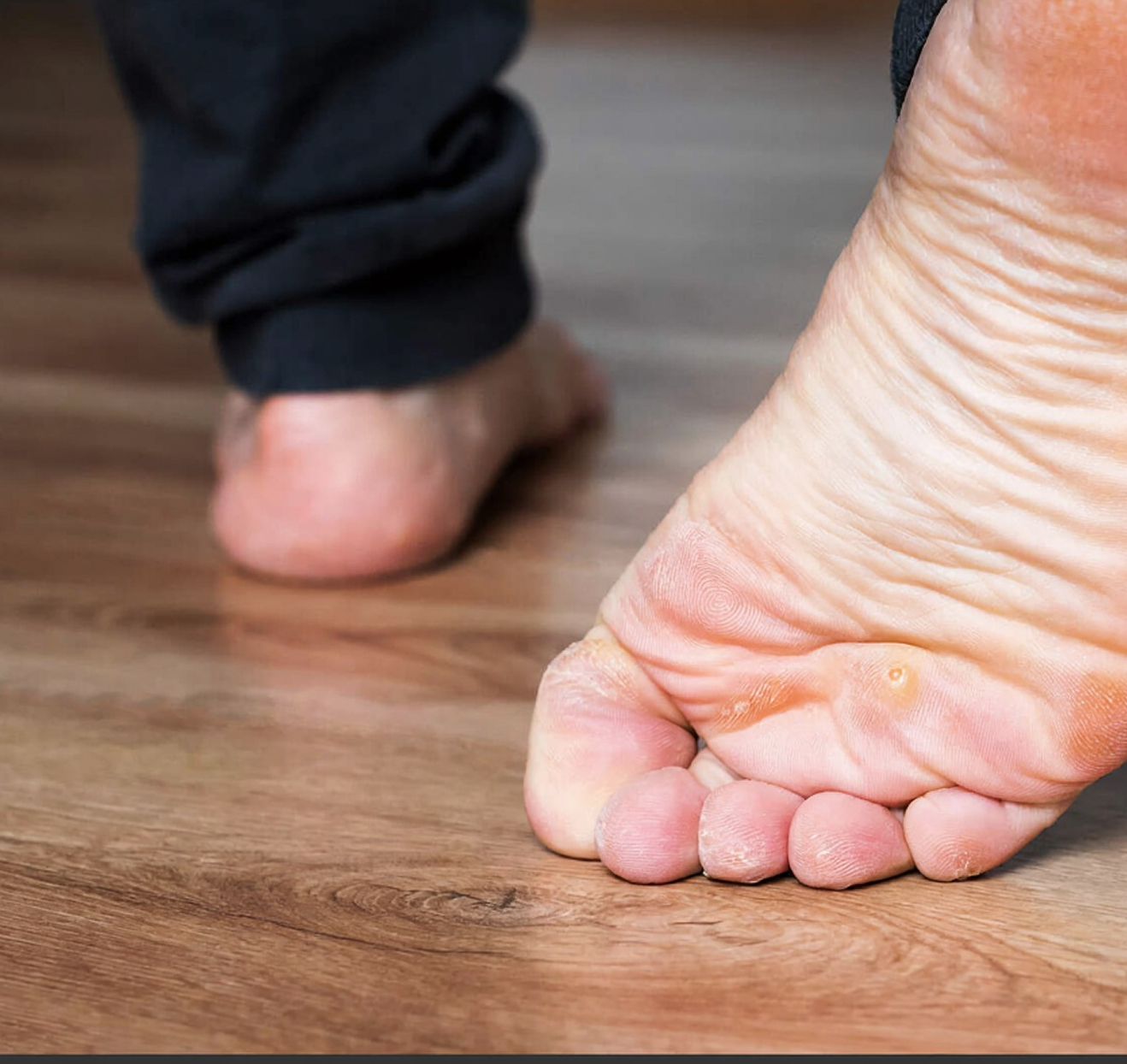
Plantar warts are small growths that typically develop on the soles of the feet, often appearing unsightly and, over time, causing pain or discomfort — especially when standing or walking. Addressing these warts early is crucial, as delaying treatment can allow them to spread, thicken, or lead to changes in the way you walk.

At Horizon Foot & Ankle Institute, we provide compassionate, evidence-based care for plantar warts, guiding you through safe, effective treatments designed to eliminate these stubborn growths with minimal invasiveness. If you’re wondering how to get rid of plantar warts, our specialists will work closely with you to develop an individualized plan that restores comfort in every step.

What it is

Plantar warts are non-cancerous growths that develop on the soles of the feet and are caused by the human papillomavirus (HPV). These warts occur when the virus enters the skin through small cuts, abrasions, or weakened areas on the foot.

While not all individuals exposed to HPV will develop warts, certain precautions can help reduce the risk of recurrence. To help prevent or limit outbreaks, people with HPV should keep their feet clean and dry, avoid walking barefoot in communal areas like locker rooms or public pools, and refrain from sharing shoes or socks.

Common symptoms of plantar warts include small and rough growths on the sole, often with a tiny black dot in the center, thickened or callused skin over the wart, and pain or tenderness when standing or applying pressure to the affected area.

Treatment Options

Topical Medications

Over-the-counter or prescription creams and solutions can help remove plantar warts by gradually breaking down the thickened skin. These treatments are applied directly to the wart and may take several weeks of consistent use to show results.

Cryotherapy (Freezing Treatment)

Cryotherapy uses liquid nitrogen to freeze the wart, causing the infected tissue to die and eventually fall off. Multiple sessions are often needed, and the procedure may cause temporary discomfort or blistering.

Debridement

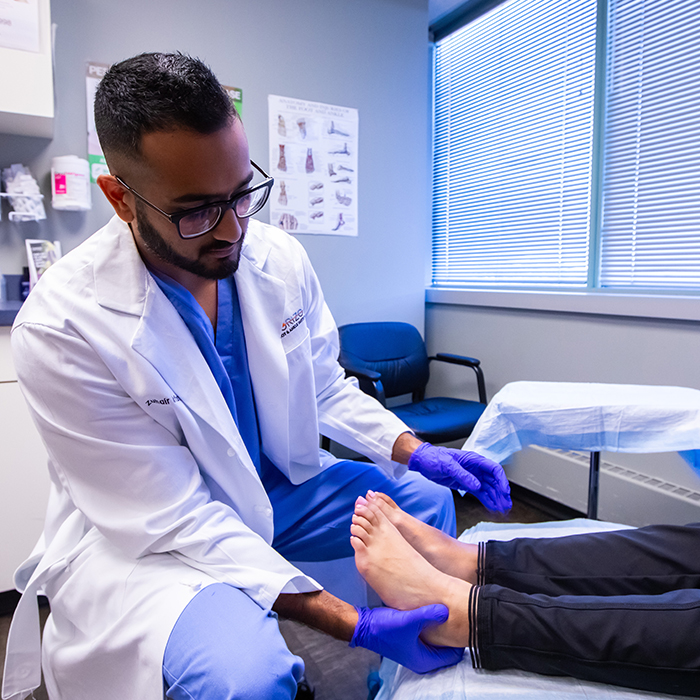
A podiatrist may carefully trim away the thickened skin over a wart to reduce pain and improve the effectiveness of other treatments. This procedure is often combined with topical or other medical therapies for faster results.

Cantharidin Application

Cantharidin is a chemical applied by a specialist that causes a blister to form under the wart, lifting it from the skin. After several days, the wart can be safely removed by your podiatrist.

Minor Surgical Removal

In more persistent cases, minor surgery can be performed to excise the wart completely. This approach is typically considered when other treatments have failed and is performed under local anesthesia for minimal discomfort.

Immune Therapy

For warts resistant to conventional treatments, immune-based therapies stimulate the body’s immune system to recognize and attack the wart virus. These treatments can be topical or injected directly into the wart to enhance the body’s natural defense.