
Flat Feet

Targeted care to prevent complications from flat arches

About
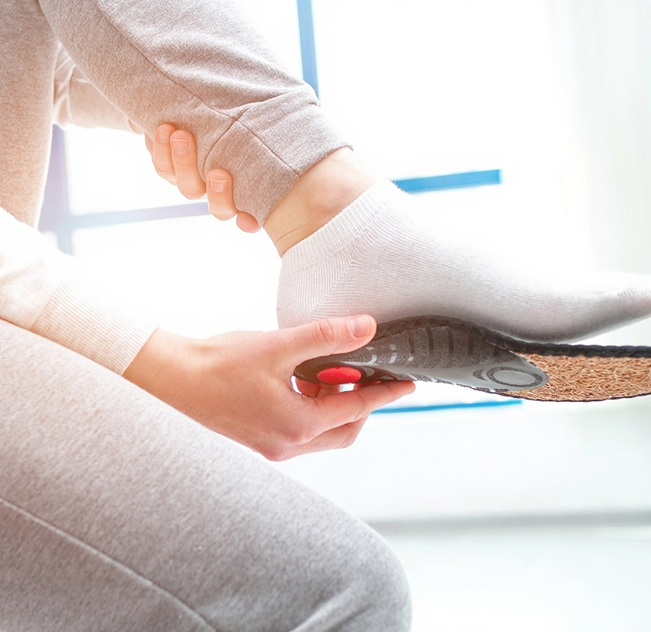
Flat feet are a surprisingly common condition, and while many individuals may never experience symptoms, others can face significant pain, discomfort, and mobility challenges. In fact, roughly 10% of those with flat feet experience noticeable issues, ranging from fatigue in the feet and legs to difficulty walking or standing for long periods.

For these individuals, patient-specific care from experienced podiatrists can make a meaningful difference, including guidance on selecting the best shoes for flat feet to provide proper support and reduce discomfort. At Horizon Foot & Ankle Institute, our team works closely with each patient to develop a personalized plan, ensuring that flat feet don’t negatively impact your daily life or overall quality of living.

What it is

Flat feet, also known as fallen arches, occur when the arches of the feet collapse or fail to develop properly, causing the entire sole to make contact with the ground.

Oftentimes, the most obvious — and sometimes only — sign is the lack of an arch, which may not cause noticeable discomfort for many individuals. However, if flat feet are linked to posterior tibial tendon dysfunction, additional symptoms can arise, including pain in the ankle, pain in the foot, and swelling around the ankle.

Another common contributor to flat feet is a tight Achilles tendon, which can limit flexibility in the heel and foot. When this is the underlying cause, activities such as walking and running can become painful, making early evaluation and targeted treatment essential for maintaining comfort and mobility.

Treatment Options

If an injury is causing your flat feet, treating the underlying issue often resolves the arch problem as well. Treatment may include anti-inflammatory medication to reduce swelling and physical therapy to help the tendon heal properly and restore foot function.

If your flat feet are the result of underdeveloped tendons, we may recommend lifestyle changes such as:

  • Wearing supportive shoes
  • Exercising regularly
  • Limiting walking or standing time
  • Using custom orthotics
  • Stretching and strengthening exercises

Beyond these simple day-to-day adjustments, additional treatment options for flat feet include:

Physical Therapy for Gait Training

Targeted exercises and movement training can improve walking patterns and reduce strain on flat feet.

Night Splints

Wearing specially designed splints while sleeping can help stretch the tendons and ligaments supporting the arch.

Taping or Bracing

Athletic tape or supportive braces can temporarily lift the arch and relieve pressure during activity.

Surgical Intervention

In severe or persistent cases, procedures such as tendon repair, osteotomy, or fusion can correct structural deformities and restore proper arch function.